
Bringing Balance to the Fat Debate
Fats are complex, both in chemistry and in public discourse. For decades, “fat” has carried negative connotations, fuelling widespread fear about its role in our diets. While excessive fat consumption is associated with obesity and other health concerns, fats remain an essential part of a balanced diet. They support hormone regulation, vitamin absorption, and cell integrity, while also enhancing the taste and texture of food, and providing a concentrated source of energy.
A recent publication by Slavin, Meijaard, and Sheil (2025) in Frontiers in Sustainable Food Systems explores these issues in depth, examining both the nutritional science behind fats and the oversimplification that often shapes public messaging. The authors highlight how certain fat sources, particularly vegetable oils, have become vilified, sometimes more for the environmental impacts of their production than for their nutritional qualities. The paper aims to reframe the discussion, recognizing that the “fats debate” spans far beyond health and environment alone, it also encompasses cultural, culinary, and economic dimensions. Reconciling these interconnected perspectives is essential to crafting balanced and effective policy.
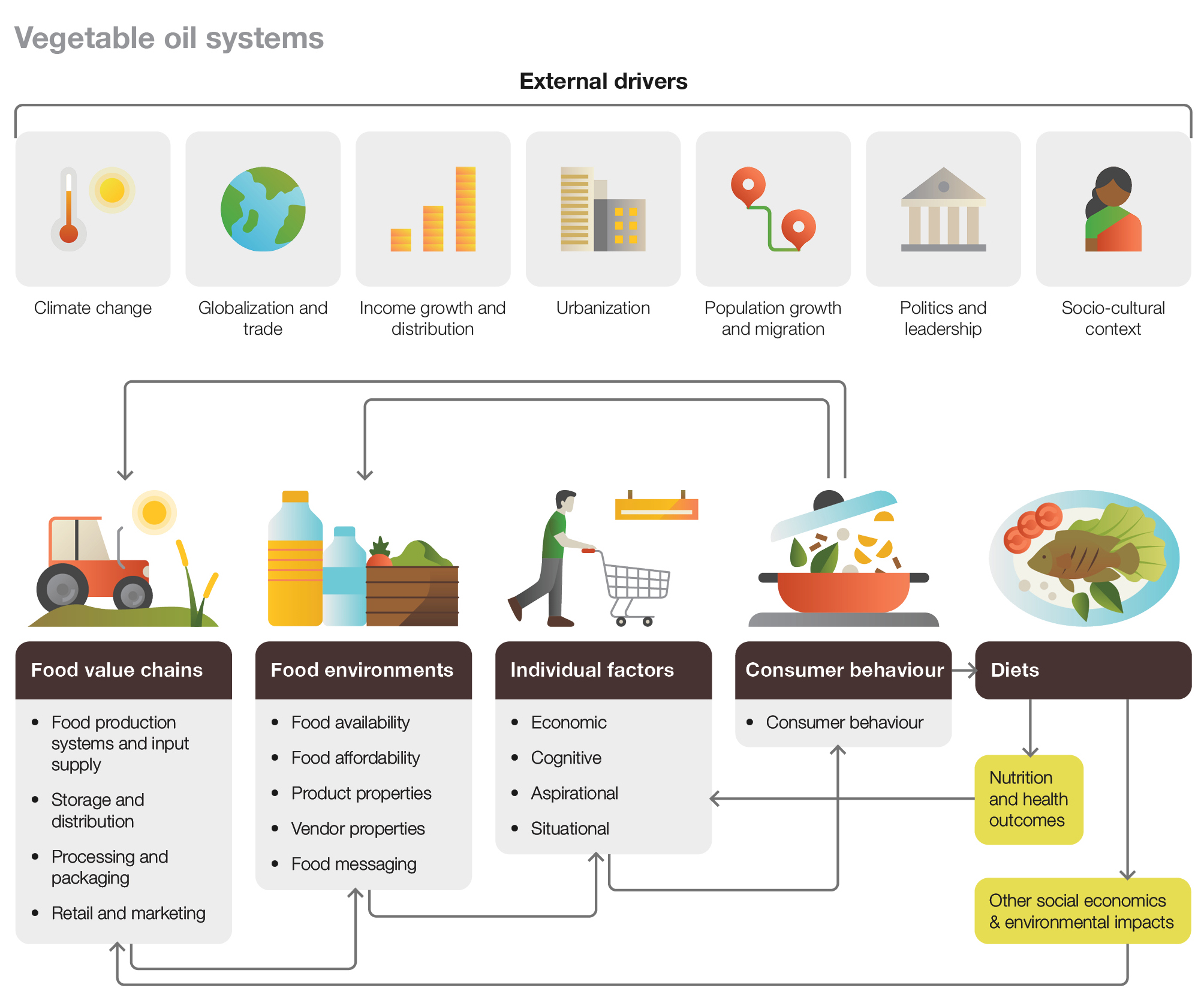
The authors argue that interdisciplinary collaboration is crucial to navigate this complexity. Current challenges, such as conflicting dietary advice or selective scrutiny of specific oil crops, cannot be addressed through single-discipline perspectives or by focusing narrowly on individual nutrients. Instead, progress depends on integrating insights from nutrition, agronomy, conservation, and economics to form a more objective understanding. This holistic approach helps reduce the distortion that arises when studies or narratives are driven by selective evidence or underlying bias.
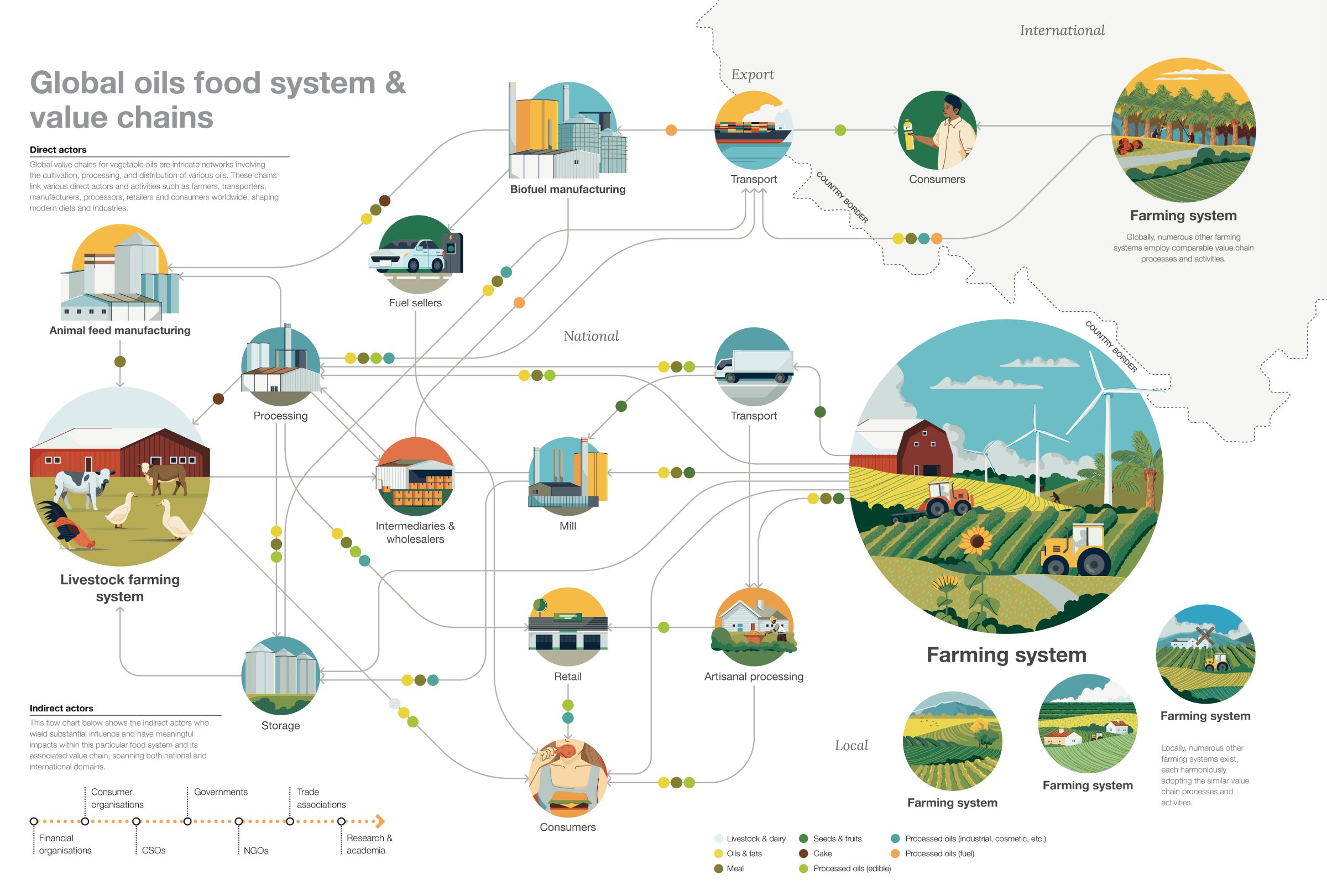
Such collaboration is especially important for policymakers, who face the task of balancing dietary guidance with environmental and social priorities. For example, implementing global dietary models such as the EAT-Lancet Planetary Health Diet could inadvertently increase pressure on biodiversity and contribute to climate change if low-yield oil crops are prioritized over high-efficiency ones, such as oil palm. The authors emphasize that sound science and cooperation across disciplines are key to identifying strategies that align crop production with ecosystem protection, human health, and community needs.
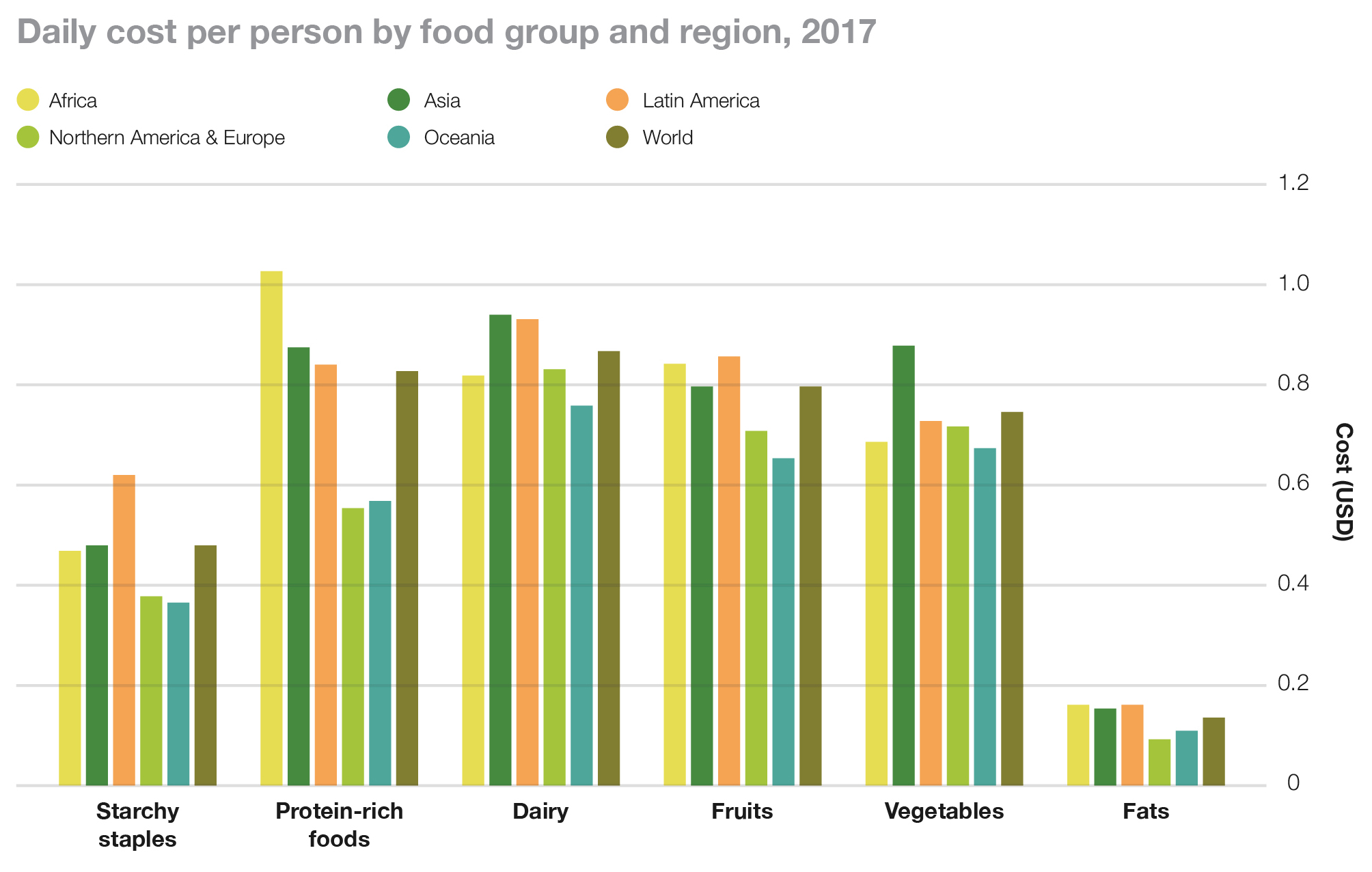
To achieve a more nuanced understanding of fats and oils, the paper calls for greater interdisciplinary collaboration, sustained investment in long-term comparative studies, and the development of standardized methods for assessing both health and environmental outcomes. Applying frameworks such as GRADE for health evidence and lifecycle assessments for environmental impacts can help establish a shared foundation for decision-making.
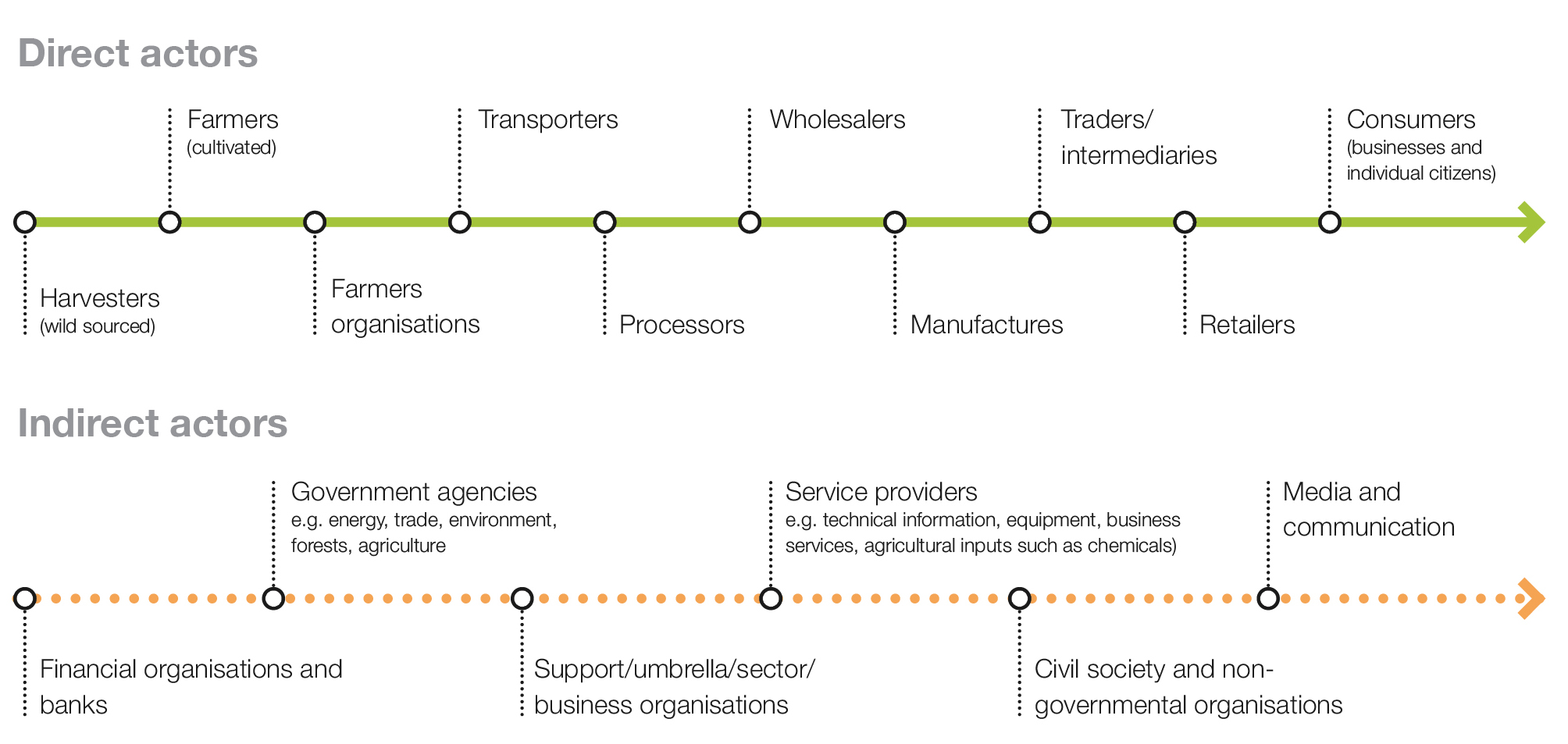
Ultimately, progress in this field depends more on collaboration than conflict. Bridging divides between producers and consumers requires shared understanding rather than polarized debate. As the authors note, no crop is inherently “good” or “bad”; impacts depend on how, where, and by whom these crops are produced.
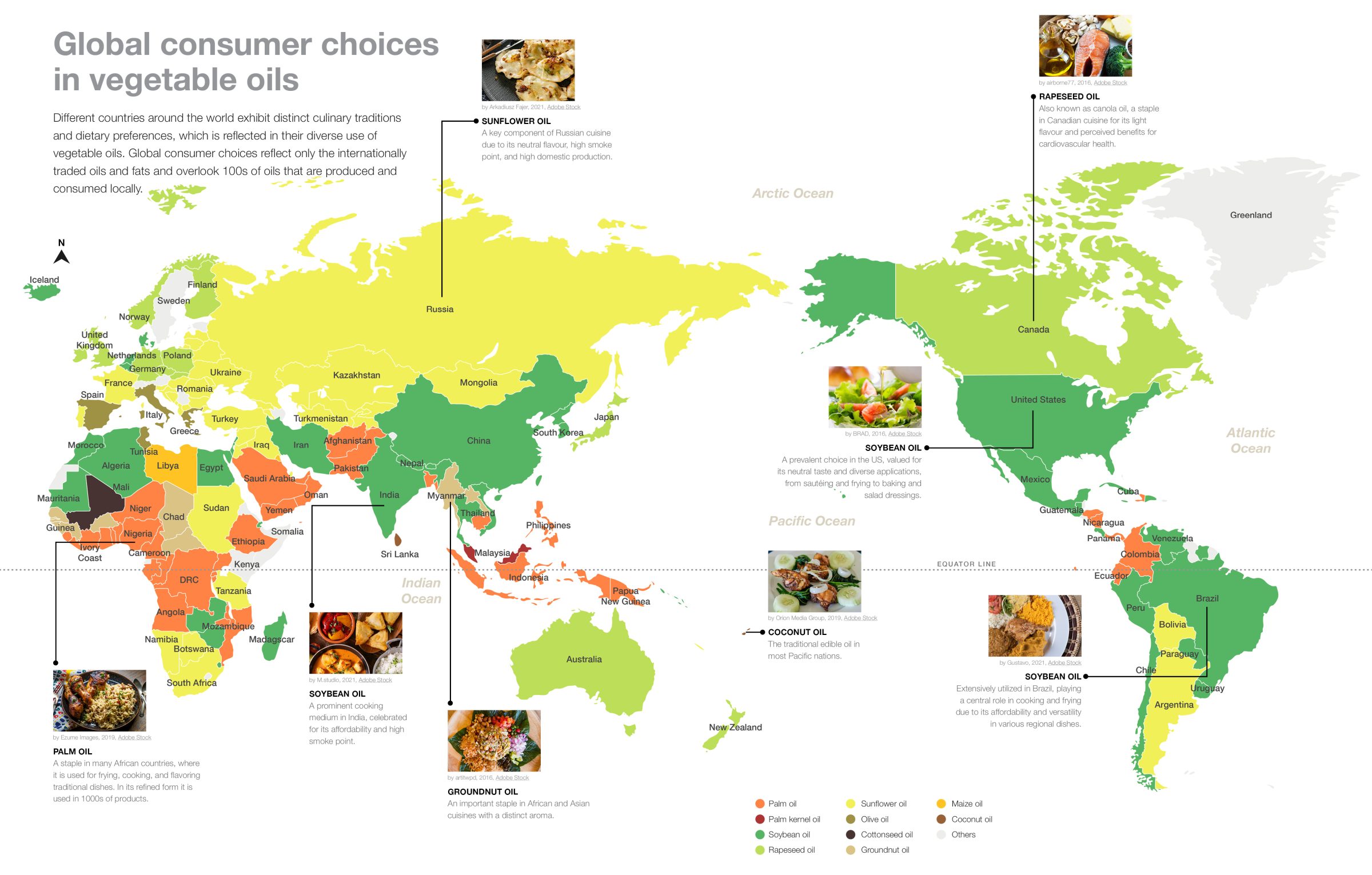
By integrating diverse perspectives, we can design food systems that support diets which are nutritionally adequate, culturally relevant, and environmentally responsible. In this vision, fats and oils are not enemies to health or sustainability but vital components of a more informed, equitable, and balanced global food future.
[Top photo: Despite their reputation as products of mass consumption, vegetable oils are also integral to subsistence production systems and embody rich cultural, culinary and nutritional significance.]