Inspiring New Children’s Book Celebrates Wildlife and Champions Sustainable Palm Oil
Birth of the Rimba
Sometime during 2019, I was listening to the radio. I have no idea what the program was or who the speakers were, but there was a feature about deforestation and the Dr Seuss book, The Lorax, was referenced.
I had never read it, but it prompted me to buy a copy.
As I read it, I realised that its strong message also resonated with the destruction of rainforests because of palm oil. Of course, rainforests are destroyed for other things as well, but it was palm oil I was focussing on, in helping Newquay Zoo to become a Sustainable Palm Oil Community; following in the footsteps of Chester Zoo.
The easy rhymes of The Lorax and its lyrical timbre lend itself well to children as well as adults and it gave me food for thought.
Using it as my inspiration, I wove a story around an elderly female orangutan becoming the spiritual guardian of the rainforest – a mystical protective being that teaches, advises and cares.
Michelle Desilets of Orangutan Land Trust was also a source of inspiration, helping to not only name The Rimba, but also advising on content , as well as helping with the editing and Mark Harrison from Borneo Nature Foundation told me about a wonderful artist and orangutan researcher, Emma Lokuciejewski. After a couple of phone calls, she was in and the beautiful artwork of The Rimba was created.
Neither of us wanted any profits from the book, determined that any proceeds should go to orangutan conservation, however getting it published proved difficult and for a long while the Rimba stayed on the back burner.
Fast forward to 2025 and a determined Emma decided that we were going to self publish. Thanks to her, we now have ‘The Rimba’ published. Sir David Attenborough has a copy and the book is already beginning to raise funds for orangutans.
Several people have said they want to use it to teach their children more – so the message about sustainable palm oil is spreading. Barnaby Patchett – One Nine Nine – kindly reviewed the book and wrote: “ The very existence of the book, reflects the changing nature of the palm oil conversation – I simply can’t imagine something like this being released 5 years ago”.
He’s right. In 2018 when Greenpeace showed their Ran Tan advert, it was all about the devastation palm oil caused; the retail store, Iceland, vowed to remove all palm oil from its products and, as a consumer, it made me want to avoid it all together too. Iceland was unable to keep its pledge and after a lot of research I realised that a boycott was not only a knee-jerk reaction, it was a damaging one too. Palm oil is not a bad oil, but the way it is grown and produced can be. It is a high yielding oil, far better than many other oils that if grown as an alternative, would cause more deforestation, not less.
Consumers play an important part in helping to drive change; and this is the underlying message of ‘The Rimba.” By choosing sustainable palm oil and making informed choices, we are showing that the solution is not to boycott, but simply to use wisely, ask questions and choose better. It is the most effective way of protecting rainforests, wildlife and livelihoods.
Find out more about The Rimba, download free educational materials and purchase the book HERE.
100% of profits support orangutan conservation.
The Chester Zoo Sustainable Palm Oil Communities project relies on organisations stepping forward and taking responsibility for transparency, whilst maintaining their ambition to improve sustainability in supply chains. That’s why we’re thrilled to welcome two influential UK food businesses, KTC Edibles and The Compleat Food Group, as our newest Sustainable Palm Oil Ambassadors.
Together, these companies cover a huge stretch of the UK food system. From the edible oils supplying manufacturers nationwide, to some of the household brands people choose in their supermarket shop each week, their commitment to sourcing deforestation-free sustainable palm oil has the power to create a ripple through supply chains in a truly meaningful way.
Chester Zoo’s work on sustainable palm oil began in 2012, heavily shaped by over two decades of partnership with field partner HUTAN in Malaysian Borneo. This collaboration continues to give us an honest view of the realities on the ground, and to see firsthand that palm oil itself is not the problem. This land-efficient vegetable oil crop has a much greater yield per hectare than alternatives and replacing it with other oils doesn’t remove environmental pressure, it simply shifts that pressure to other regions with equally important ecosystems.
That’s why leadership from businesses matters so much. Choosing sustainable palm oil instead of opting out of a complex system is what helps to improve it. By becoming ambassadors, KTC and The Compleat Food Group are helping to champion an approach that recognises these complexities and pushes for better standards, not a boycott.
And their commitments go beyond internal sourcing policies: as ambassadors, they will help promote accurate, transparent information to their customers and wider industry networks, empowering people to understand why sustainable palm oil matters for rainforest protection, and why responsible procurement is such a powerful tool for change.
These two companies, and our other SPO Ambassadors, are united by a shared message that cuts through the noise. The more voices we have reinforcing the same evidence-led message, the closer we come to moulding supply chains into something that genuinely protects forests.
Misinformation is rife in our digital world; sometimes it’s harmless, other times it can have negative consequences for efforts that matter. Such is the concern of Meijaard et al. who newly submitted a review to preprint that highlights the fundamental methodological oversight of a recent scientific publication, the conclusions of which suggest that RSPO certification reduces the efficiency of oil palm plantations.
The original study by Nina Zachlod and colleagues investigated whether certification had unintended consequences for Malaysian palm oil, using socioeconomic indices and satellite imagery, finding that activities conducted to gain certification, as well as those of certified estates, led to overall reduced production efficiency. The authors, therefore, called on the RSPO to revise their standards to account for unintended consequences.
While calling for such revisions could result in a major overhaul of RSPO practices and put a question mark against any existing certification, the greater concern is that the publication of this paper, could harm the credibility of the RSPO and discourage further estates and companies from seeking certification.
This concern is amplified by the findings of Meijaard et al., whose new analysis directly contradicts the conclusions of the original study. Their review uncovered that the core claim, that RSPO-certified plantations experience declining efficiency, rests on a misinterpretation of basic agricultural processes. Specifically, Zachlod et al. had interpreted decreases in canopy cover as evidence of lower productivity. However, Meijaard and colleagues demonstrate that these declines simply reflect routine oil palm replanting, a standard practice carried out every 20–30 years. When older palms are removed and replaced, temporary canopy loss is expected, not indicative of management failures or certification burdens.
Figure 1. Oil palm replanting in progress in a plantation on Belitung Island, Indonesia. Photo by Erik Meijaard
Drawing on data from nearly 94,000 hectares across 102 plantations, Meijaard et al. found that around one-third of the studied area underwent replanting between 2018 and 2023, meaning the very signal Zachlod et al. used to infer inefficiency was actually unrelated to certification. Their analysis also highlights further methodological issues: the lack of appropriate control areas, misapplied statistical models, omission of uncertainty estimates, and the unjustified leap from local observations to global claims.
Figure 2. Comparison of land-cover classification results for a Wilmar plantation certified in 2023. The top row shows results from this study for 2018–2023. Purple indicates bare land, green indicates oil palm, and yellow highlights oil palm replanted on bare land identified in previous years. The bottom row shows the corresponding results from Zachlod et al. (taken from their Figure 4) for 2018, 2020, and 2023.
These errors are not trivial. The original study attracted media coverage, with some headlines implying that sustainability certification harms productivity. Reduced productivity could mean a need for more land to grow oil crops, and the risk of deforestation. Such narratives could discourage companies from pursuing RSPO certification, undermining both market incentives and global sustainability goals. As Meijaard et al. stress, rigorous, context-aware research is crucial when studies have the power to influence public opinion and policy.
By clarifying how methodological oversights led to misleading conclusions, the new analysis serves as a reminder that responsible science is essential, especially when the stakes extend far beyond academia.
A new publication, freely available in pdf, shows how oil palm landscapes can contribute to wildlife conservation. ‘Wildlife Conservation in the Oil Palm Landscape’ is produced by a small, specialist NGO (BORA, www.bringingbackourrareanimals.org) that has long experience with wildlife management in Malaysia and is walking the talk with orangutans, elephants and wild cattle in the oil palm landscape of eastern Sabah, Borneo.
‘Oil Palm Landscape’ refers to large areas where most of the land cover is oil palm plantation, with some villages and residual forest patches. High Conservation Value (HCV) areas, riparian zones, wetlands, steep slopes and forest edge buffer zones can all be characterized as ‘Set-aside’ lands – different names and origins but all uncultivated lands within oil palm monocultures.
Protected forest area (top), a fifty-metre ‘buffer zone’ of abandoned old oil palms (middle) and young, productive oil palms (bottom) in eastern Sabah, Malaysia
‘Set-aside’ lands within the oil palm landscape have little value unless they are actively managed with targets in mind. This is because they are too small and scattered to support viable populations of most wild species that we find there now. Most wild species now included in ‘biodiversity’ lists in oil palm plantations will drift to extinction, leaving a few, very common, robust animal and plant species. Thus, the prevailing passive approach of protecting and monitoring ‘set-aside’ lands, and planting trees ad hoc in a few places, will result in the gradual loss of most species from those habitats, while a few robust species become more common.
What is really needed is a fresh look, with the aim of helping to manage species that are both either rare or problematical (or both), by actively managing and enriching whatever forest reserves and ‘set-asides’ now exist in the landscape that has been created by humans.
This booklet provides a series of descriptions and analyses, a conceptual background, and recommendations for implementable actions, based on the experience of BORA since 2019.
4.5-year-old Ficus trees planted by BORA from marcots in a riparian zone with retained old palms
4.5-year-old planted Ficus annulata, an orangutan food plant on a riparian zone in a SD Guthrie estate
There are costs involved in active enrichment and management of set-asides. This is the main reason little such effort has been made to date. However, in relation to the overall costs involved in maintaining ‘sustainability’ work, in developing and implementing the environmental, social and governance (ESG) framework to assess an organization’s business practices, and in marketing Malaysian palm oil as sustainable, the costs involved in conducting work outlined in this booklet will be trivial.
It is proposed that Malaysia adopt two flagship wildlife species whereby the Malaysian palm oil industry can tell the world that it is actively helping to support their conservation: orangutans and elephants.
Male orangutan feeds in Ficus albipila fruits in a riparian zone
One or more of the big oil palm growers could start a targeted set-aside management programme at any time. The potential competitive advantage to be gained by any company or institution being a ‘first mover’ has not been realized. In the absence of a ‘first mover’ amongst either palm oil growers, or traders, or mainstream NGOs involved in support for the palm oil industry, it will be up to government policy to set the ball rolling.
“Wildlife Conservation in the Oil Palm Landscape” is authored by Dr John Payne, Dr Zainal Zahari Zainuddin and Mellinda Jenuit. Download your copy from this link.
For years, the public conversation around palm oil was stuck in a simple loop: palm oil is bad.
The narrative is simple, emotionally driven and incredibly enduring! Powerful images of the devastating loss of wildlife habitats across Indonesia and Malaysia, despondent orangutans, and monoculture crops where virgin rainforest once stood were all the proof that was needed to cement this view in the media and the minds of consumers.
The huge progress made on improving the sustainability of palm oil over the decades did little, if anything, to change the narrative until very recently.
Today, that is changing – and over the past couple of years, we’re starting to see some much-needed nuance enter the discussion. The conversation is maturing, as many begin to understand the importance of sustainably sourced, segregated and certified palm oil, the complexity of global commodity supply chains and the growing raft of legislation designed to protect rainforest habitats across the world.
Crucially, the industry and increasingly the public have recognised that sustainability, rather than boycotts are the key to pushing the conversation forward.
The Start of the Conversation
The sustainable palm oil movement isn’t new – but efforts to communicate the benefits of sustainable palm have been much less successful than the positive changes made by the industry over the past two decades.
This is despite the fact that the narrative has remained fairly constant for 20 years!
The rationale behind the core message has always been sound. Palm oil is the most efficient vegetable oil in the world, supplying 35% of the world’s vegetable oil supply from just 10% of the global land dedicated to oil crops.
(Image credit: IUCN)
Implementing sustainable practices means we can benefit from the efficiency and versatility of palm, while minimising the negative impact on people and planet. Not choosing palm oil means choosing another oil, and the impact could be significantly worse. The most sustainable alternative to palm oil is sustainable palm.
Reticence to Get Involved
So why didn’t the message cut through?
We’ve already touched on one of the challenges – the anti palm narrative was already set, and backed up by evocative images of destroyed landscapes and displaced, despondent wildlife. This narrative was based in reality – historically, the expansion of palm oil was responsible for all these problems, and to this day, rainforests are being cleared for oil palm.
Trying to challenge this narrative while the industry was still involved in widespread deforestation was always going to fail.
At the same time, even those making progress were reluctant to challenge the narrative. Many major players in the industry stayed fairly quiet. They were happier to keep their heads down and remain under the radar, rather than risk communicating about their imperfect though tangible progress – knowing how strong the anti-palm narrative was.
There have been, of course, efforts from some to talk about the progress being made. The RSPO, and other major industry players such as AAK, Daabon Group and KTC Edibles in the UK acted as a vanguard for the message. NGOs like the WWF also led the charge to inject some nuance into the conversation.
Chester Zoo launched its Sustainable Palm Oil Campaign in 2012 and has since developed a network of partners worldwide to spread the sustainability message.
But while the sustainability message cut through to the palm oil industry, and to elements of the food industry, it never made it to the mainstream, or the general sustainability sector!
For someone who has worked on sustainable palm oil communications since 2008, progress on changing the narrative has felt painfully slow. At times, it feels like Sisyphus pushing the boulder up the hill – with any progress made quickly being rolled back!
So what’s changed now?
The author “hard at work” in a sustainable oil palm plantation.
The Regulatory Reality Check
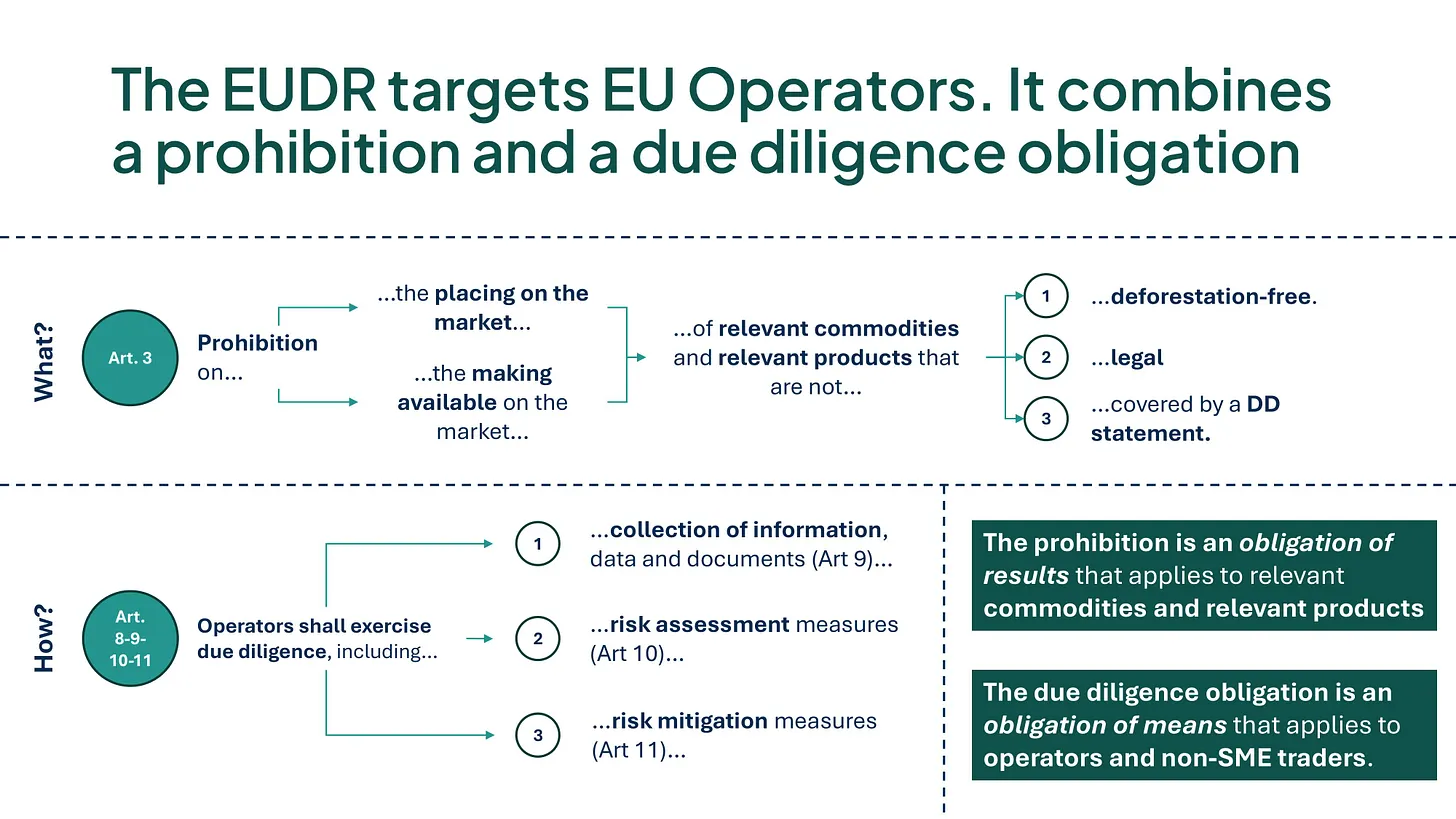
A major catalyst in the changing palm oil conversation has been European legislation, specifically the EU Deforestation Regulation (EUDR).
While the EUDR certainly presents challenges, one by-product of EUDR and its focus on forest commodities has highlighted just how much traceability, sustainability and certification work has already been done on palm oil. And in comparison, just how far ahead of the EUDR requirements palm oil is compared to other commodities in scope, such as cocoa, coffee, rubber, and soya.
For the first time, palm oil is being directly compared to other commodities – and people are recognising that the problems are much wider than palm.
This renewed, intense focus on traceability is now non-negotiable and is driving investment in monitoring and supply chain transparency across the board – with palm oil leading the charge.
The Economic Reality
Beyond regulation, the market has performed its own reality check. Palm oil is simply too high-yielding, too versatile and too efficient to replace at scale.
As food and cosmetics manufacturers grapple with soaring input costs, the economic argument for sustainable palm oil has never been stronger. For manufacturers hit by rocketing cocoa prices and low harvests, palm oil’s renaissance has certainly come at a good time, with McVitie’s turning to shea butter and palm oil to cut costs on their Penguin and Club biscuit ranges.
Sustainable palm oil is not just the least-worst option; in many formulations, it is the best choice for achieving environmental, social and economic goals at the same time.
SPOC: Driving the Conversation
The industry needed a platform to drive this nuanced conversation, and this is where organisations like the Sustainable Palm Oil Choice (SPOC) have played a vital role.
By uniting stakeholders committed to using, producing and supporting sustainable palm oil, SPOC provides the facts and tools to shift the narrative from palm oil = bad to something much more nuanced.
For the first time in years, the palm oil industry is talking about its future not with defensive language but with proactive, positive intent. This is more than just a communications victory; it’s a necessary step toward embedding genuine sustainability into a critical global commodity.
About One Nine Nine
One Nine Nine is a Leeds marketing agency specialising in sustainability, food, manufacturing and entertainment.
Sustainability clients include KTC Edibles, Momentive, Efeca, Lifecycle Oils, MosaiX and more.
Fats are complex, both in chemistry and in public discourse. For decades, “fat” has carried negative connotations, fuelling widespread fear about its role in our diets. While excessive fat consumption is associated with obesity and other health concerns, fats remain an essential part of a balanced diet. They support hormone regulation, vitamin absorption, and cell integrity, while also enhancing the taste and texture of food, and providing a concentrated source of energy.
A recent publication by Slavin, Meijaard, and Sheil (2025) in Frontiers in Sustainable Food Systems explores these issues in depth, examining both the nutritional science behind fats and the oversimplification that often shapes public messaging. The authors highlight how certain fat sources, particularly vegetable oils, have become vilified, sometimes more for the environmental impacts of their production than for their nutritional qualities. The paper aims to reframe the discussion, recognizing that the “fats debate” spans far beyond health and environment alone, it also encompasses cultural, culinary, and economic dimensions. Reconciling these interconnected perspectives is essential to crafting balanced and effective policy.
The authors argue that interdisciplinary collaboration is crucial to navigate this complexity. Current challenges, such as conflicting dietary advice or selective scrutiny of specific oil crops, cannot be addressed through single-discipline perspectives or by focusing narrowly on individual nutrients. Instead, progress depends on integrating insights from nutrition, agronomy, conservation, and economics to form a more objective understanding. This holistic approach helps reduce the distortion that arises when studies or narratives are driven by selective evidence or underlying bias.
Such collaboration is especially important for policymakers, who face the task of balancing dietary guidance with environmental and social priorities. For example, implementing global dietary models such as the EAT-Lancet Planetary Health Diet could inadvertently increase pressure on biodiversity and contribute to climate change if low-yield oil crops are prioritized over high-efficiency ones, such as oil palm. The authors emphasize that sound science and cooperation across disciplines are key to identifying strategies that align crop production with ecosystem protection, human health, and community needs.
To achieve a more nuanced understanding of fats and oils, the paper calls for greater interdisciplinary collaboration, sustained investment in long-term comparative studies, and the development of standardized methods for assessing both health and environmental outcomes. Applying frameworks such as GRADE for health evidence and lifecycle assessments for environmental impacts can help establish a shared foundation for decision-making.
Ultimately, progress in this field depends more on collaboration than conflict. Bridging divides between producers and consumers requires shared understanding rather than polarized debate. As the authors note, no crop is inherently “good” or “bad”; impacts depend on how, where, and by whom these crops are produced.
By integrating diverse perspectives, we can design food systems that support diets which are nutritionally adequate, culturally relevant, and environmentally responsible. In this vision, fats and oils are not enemies to health or sustainability but vital components of a more informed, equitable, and balanced global food future.
[Top photo: Despite their reputation as products of mass consumption, vegetable oils are also integral to subsistence production systems and embody rich cultural, culinary and nutritional significance.]
Smallholders, defined as farmers with less than 50 hectares of oil palm (RSPO, 2020), produce up to 30% of the world’s crude palm oil (Chain Action Research, 2021) and manage 27–40% of global oil palm area (Descals et al., 2021; RSPO, 2022). They are generally divided into two groups: contract smallholders and independent smallholders. Contract smallholders have exclusive agreements with companies that holds at least partial decision-making power over their land and production, and who are required to sell to, and be purchased by, the company. In contrast, independent smallholders operate without contracts with companies and retain full control over their land.
Despite their central role in the food system, many smallholders risk exclusion as downstream supply chain actors adopt sustainability initiatives, including voluntary certification, zero deforestation pledges, and government-mandated due diligence. These initiatives require proof of compliance with criteria such as land legality, traceability, and sustainable production practices. Many smallholders struggle to meet these new, stringent standards because they lack formal land titles or other necessary documentation.
Figure 1. Sampled RSPO certified palm oil mills in Indonesia (n=87), distributed across Sumatra (64%) and Kalimantan (36%).
Our new study, published in Communications Earth & Environment investigates how and why implementation of supply chain governance initiatives adopted by corporate actors influences smallholder market participation. We focused on palm oil mills in Indonesia certified by the Roundtable on Sustainable Palm Oil (RSPO), the leading certification system in the industry. In Indonesia, the world’s leading palm oil producer, independent smallholders manage a larger share of oil palm area (33–41% of the total) in 2019 (Gaveau et al., 2022) compared to contract smallholders (4–6%) circa 2016 (Jelsma et al., 2017). The RSPO certification standard emphasizes support for smallholder inclusion within its supply chains (RSPO, 2018, 2024), including in certified mills. While many studies have investigated the barriers faced by independent smallholders in obtaining certification, little has been known about the broader inclusion of all smallholders, including those who remain uncertified, within certified mill markets.
By analyzing geospatial data on oil palm plantations, mill locations, and mill fresh fruit bunch (FFB) sourcing records, we found evidence for “passive exclusion” of independent smallholders at RSPO-certified mills. Compared to non-certified mills, certified mills were surrounded by relatively less independent smallholder oil palm as a proportion of total oil palm area. Furthermore, most certified mills never purchased from independent smallholders after certification. Certified mills sourced just 7% of their FFB from independent smallholders, even though these smallholders produced around 34% of FFB in Indonesia in 2020. Conversely, certified mills purchased more FFB from contract smallholders (15%) than expected.
Independent smallholders already face far greater limitations than contract smallholders. In Indonesia, these challenges include lower yields, limited access to credit, and difficulties with land legality. As mills adopt increasingly stringent standards as part of the RSPO and other supply chain governance efforts, independent smallholders’ participation in certified mill markets may decline and limit their access to benefits such as price transparency and stable market opportunities.
New regulations like the European Union’s Regulation on Deforestation-free Products (EUDR), risk deepening existing disparities (de Vos et al., 2023). If companies apply stricter RSPO supply chain models (i.e, shifting from mass balance which accommodates noncertified supply to identity preserved/segregated which require fully certified supply) to comply with EUDR, independent smallholders may be excluded altogether. This is particularly concerning given that many smallholders already produce without deforestation but remain outside RSPO certification.
Sustainable supply chain initiatives like RSPO, in partnership with national governments, can support jurisdictional certification approaches and collaborate with private sector, civil society, and policymakers. Similarly, buyer policies that actively engage independent smallholders could help ensure that these farmers are not left behind in the transition toward sustainable palm oil supply chains.
Andini (Sita) Ekaputri is a PhD candidate at National Research and Innovation Agency (BRIN), Indonesia, and University of Hawai’i.
Kimberly Carlson is an Associate Professor at New York University.
References
Chain Action Research. (2021, June 15). FMCGs, Retail Earn 66% of Gross Profits in Palm Oil Value Chain. Chain Reaction Research. https://chainreactionresearch.com/report/palm-oil-value-chain-deforestation/
de Vos, R. E., Suwarno, A., Slingerland, M., van der Meer, P. J., & Lucey, J. M. (2023). Pre-certification conditions of independent oil palm smallholders in Indonesia. Assessing prospects for RSPO certification. Land Use Policy, 130, 106660. https://doi.org/10.1016/j.landusepol.2023.106660
Descals, A., Wich, S., Meijaard, E., Gaveau, D. L. A., Peedell, S., & Szantoi, Z. (2021). High-resolution global map of smallholder and industrial closed-canopy oil palm plantations. Earth System Science Data, 13(3), 1211–1231. https://doi.org/10.5194/essd-13-1211-2021
Gaveau, D. L. A., Locatelli, B., Salim, M. A., Husnayaen, Manurung, T., Descals, A., Angelsen, A., Meijaard, E., & Sheil, D. (2022). Slowing deforestation in Indonesia follows declining oil palm expansion and lower oil prices. PLOS ONE, 17(3), e0266178. https://doi.org/10.1371/journal.pone.0266178
Jelsma, I., Schoneveld, G. C., Zoomers, A., & van Westen, A. C. M. (2017). Unpacking Indonesia’s independent oil palm smallholders: An actor-disaggregated approach to identifying environmental and social performance challenges. Land Use Policy, 69, 281–297. https://doi.org/10.1016/j.landusepol.2017.08.012
RSPO. (2018). 2018 RSPO Principles & Criteria for the Production of Sustainable Palm Oil. RSPO. https://rspo.org/principles-and-criteria-review
RSPO. (2024). 2024 RSPO Principles and Criteria for Sustainable Cultivation of Oil Palms and Production of Sustainable Palm Oil and Oil Palm Products. https://rspo.org/wp-content/uploads/1_PC-2024-Final-Draft.pdf
“Why are you selling palm oil? Palm oil is bad!”
This is one of the most common consumer criticisms we face as Britain’s leading distributor of edible oils and fats. Of course, we’re not alone – for years, the temptation for any business selling or using palm oil has been to lay low, not talk about palm oil use, and if possible, hide their use to avoid criticism!
At KTC, we made the conscious decision not to hide away from the hard conversations on palm oil – but to engage in them.
In practice, this means challenging misconceptions, constantly improving our own operations, and championing the benefits of sustainable palm oil wherever we can!
Why We Embrace Sustainable Palm Oil
Like many businesses, we’re conscious of the impact our operations have on the planet – and there’s no getting away from palm oil’s negative historic impact on landscapes ecosystems and wildlife in Southeast Asia.
The historic damage caused by the unsustainable expansion of palm cultivation is real and is the reason that it has a negative reputation to this day.
So why do we still sell it? It’s simple.
We believe that the best alternative to palm oil is sustainable palm oil. There are no ‘bad’ oil crops, just bad practices, and when grown responsibly, palm oil can be truly sustainable.
The best things we can do as a distributor to drive positive change and reduce the negative impact of palm oil is to make the right choice and ensure that all the palm oil we supply is certified sustainable.
At the same time, we can try to educate and influence our own customers, and their consumers on the benefits of sustainable palm oil.
So that’s what we’ve been doing!
Our Progress on Palm
Our journey on sustainable palm oil goes back to 2010, when we joined the Roundtable on Sustainable Palm Oil (RSPO), and in 2020, we launched Palmax IP – our first RSPO Certified Identity Preserved frying oil. Since 2022, 100% of KTC Edibles’ palm oil has been RSPO certified sustainable Segregated (SG), or Identity Preserved (IP).
We were the first UK company to sign the Sustainable Palm Oil Manifesto in 2022 – a joint initiative by the RSPO, European Palm Oil Alliance (EPOA), and the IDH (the Sustainable Trade Initiative).
We’re currently in the process of transitioning another recent acquisition, Trilby Trading, to 100% segregated sustainable, which we hope to complete by the end of the year.
Throughout this process, we’ve always been happy to talk about our palm oil use, appearing on podcasts, communicating with the press, our customers and stakeholders about our mission to ensure that every drop of KTC palm oil meets the highest sustainability standards.
Of course, there’s always more we can do, and we’re continually looking for new ways to drive the adoption of sustainable palm oil across the UK and beyond.
When most people picture palm oil, they imagine vast swathes of palms as far at the eye can see, managed and owned by multi-national conglomerates. But in Africa, the oil palm’s native home, another story unfolds. Picture instead a cluster of fifty palms behind a village in Sierra Leone, or trees scattered among cocoa and cassava in Nigeria. These aren’t industrial plantations. They are part of everyday rural life, providing food, income, and culture.
A new study published in Environmental Research: Food Systems by Descals et al. has revealed just how extensive these overlooked palms are. By analyzing 11,800 high-resolution satellite images, the researchers discovered6.5 million hectares of non-plantation oil palm across Africa, more thanthree times the area of all commercial plantations combined.
Comparison of plantation and non-plantation oil palm areas in million hectares (Mha) in African countries with estimated oil palm area greater than 0.
Unlike industrial plantations with their neat rows, these palms appear scattered in forests, gardens, or fields. Harder to discern using traditional methods, they often go unreported in official statistics. Yet, the study found them in over half the villages of West Africa, and nearly 80% of villages across the Congo rainforest. The Democratic Republic of Congo hosts the largest area (2.5 million hectares), followed by Nigeria (1.9 million hectares).
Oil palm, coconut and other palms are often grown together in small plots behind houses. Liberia. Erik Meijaard
Why does this matter? Because palm oil isn’t just an export crop, it’s a staple food. Unrefined “red palm oil” provides essential fats and vitamins in diets that otherwise fall short. Researchers have long warned of a “fat gap” in African diets, but this hidden reservoir of oil palms suggests the shortage may not be as severe as once feared.
“Most oil palm in Africa actually grows outside plantations in wild and semi-wild contexts, often near villages,” said lead author Dr. Adrià Descals. “This resource has been largely invisible to official observation until now.”
“It is an exciting study to see published”, added Prof. Erik Meijaard of Borneo Futures and co-chair of the IUCN Oil Crops Task Force, another co-author. “We were discussing African crops, including subsistence oil palm in a meeting at John Moores Liverpool University when we realized that it might be possible to estimate the total area of subsistence oil palm. I already had my doubts about the official statistics, and it is great to show how much these statistics actually underestimate this culturally, nutritionally and culinary important resource that is used throughout West and Central Africa”.
Subsistence oil palm is not only used for producing oil, but also makes palm wine. Gabon. Erik Meijaard
Still, questions remain. Not all palms are harvested, and the extent to which they support diets varies. Moreover, while these palms sustain rural livelihoods today, they could also attract future expansion. If managed poorly, smallholder-driven oil palm growth could threaten forests. However, as the authors note, palm oil’s high yields might also spare land compared to other oil crops and increased attention from the ‘right’ sources in these areas, could ensure that current plots are managed responsibly.
Palms, such as this one in Bomi, Liberia, are often harvested on a needs basis. Erik Meijaard
What’s clear is that these “invisible” palms complicate the story we tell about palm oil. They are neither industrial villains nor pristine wilderness, but part of a messy, vital mosaic of African food systems. Recognizing them is a step toward better policies for food security, nutrition, and land use.
Hand processing of oil palm fruit in Liberia. Erik Meijaard
The latest report from FAO, The State of the World’s Forests 2024, highlights that although 4.1 billion ha (31%) of the area in the world’s land surface is still covered by forests and there is a declining trend in global deforestation, forest conversion still occurs. It was estimated that 420 million ha of forests were lost between 1990 and 2020, and most of the conversion in the tropics was for agricultural expansion (FAO 2020). A study estimated that 86% of deforestation was associated with agricultural crop and cattle production (West et al, 2025), and this led to the implementation of the no-deforestation supply chain interventions to contribute to halting deforestation.
One of the targeted commodities in the no-deforestation supply chain regulation and campaign is palm oil, which has created a dispute among producer and consumer countries, as seen in the case of the EU Deforestation-Free Regulation (EUDR) implementation with the Indonesian Government (Jakarta Post, 2025). Despite its controversy, the global demand for vegetable oils is projected to increase by 46% by 2050, with palm oil still the most productive and versatile oil crop (Meijaard et al., 2020).
However, the public perception in the consumer countries towards palm oil is still puzzling—as the study by Lieke et al. (2023) shows that the public tends to have negative views on palm oil due to its associated environmental impacts—however, the public misses that the real problem is why the impacts have arisen, which is when the oil palm was planted through conversion of forests. The public has limited understanding that this can happen with other commodities, and larger trade-offs can happen with less productive oil crops (Lieke et al. 2023, Meijaard et al. 2020). The perception of the public consumers is important because our study suggests that green consumer behavior in consumer countries is indeed influencing sustainable governance in the producing countries, as the majority of the oil was exported to the global consumers. On the other hand, stakeholders in palm oil-producing countries have come to understand that a sustainable product is defined as one that is no-deforestation (Purnomo et al. 2024).
CIFOR-ICRAF promoted the landscape approach, which is defined as allocating and managing land to achieve and align with landscape sustainability goals (social, economic, and environmental) (Sayer et al. 2013). This approach has evolved with various interpretations for various contexts, including agricultural commodity production. The Landscape Approach principles recognize multiple stakeholders and their interests in the landscape. Different interests of stakeholders in the landscape (e.g., conservationists, commodity producers, and consumers) led to complex governance; thus, improving understanding of the stakeholders will help an inclusive co-production process in the landscape management, and that is why the knowledge transfer and education process is important in the implementation of the landscape approach (Reed et al. 2020).
CIFOR-ICRAF and partners developed Landscape Game 2 in 2024, that aims as a learning tool to understand about dynamics in landscape management and balancing conservation and development. The early version in 2007 was launched as a board game and produced for more than 1,000 copies. Due to high demand, the digital version was developed in 2014 to accommodate wider use (Figure 1). The first version of the game often use in the brainstorming process for the workshops and shows that the game play can influence player’s mental model that improve the complexity of landscape management (Purnomo et al 2017). To advancing the player experiences, the second version was launched in March 2024 with adopting experiential learning as landscape manager and add component on commodity trade – to enhance user experiences (Figure 2). Later, the second version of the Landscape Game, developed into digital experiential learning tool that not only use for stakeholder capacity building – but also in education.
The landscape game is designed as a multiplayer game, and four players will compete on land management within a landscape. A landscape is assumed to be 225,000 ha and consists of 225 small patches of 1,000 ha. Four players will compete to manage several land blocks in the landscape, from obtaining the land until trading commodities (products and services) produced from the management.
The type of land block is following the landscape concept by Chomitz (2007), which divided landscape into three types, and each type provides different ecosystem service potential and utilization options (Figure 3). There are “forest core,” “forest edge,” and mosaic land. The player can choose several management options, such as conserving it but getting carbon credit; developing ecotourism along with conservation; or converting it into crop yield, mining, or ecotourism.
Figure 3. Type of landscape in the game, follow concept by Chomitz (2007)
The common goal of the game is to keep the balance between the environment and economic status of landscape management, measured in the game by landscape goal indicators, carbon credit, land productivity, and economic benefit. All actions of players in the landscape influence these indicators. The game has threshold to keep the balance condition in the landscape, and if the environment indicator (carbon credit) is below the threshold, then the disaster will occur and reduce the commodity production in the landscape. At the end of the game, successful landscape management is achieved if the environment and economic status of land are balanced—by keeping carbon credit and one of the economic indicators above the threshold (Figure 4).
With this gameplay, the player can understand more the concept of trade-offs between environmental conservation and commodity development in landscape management – and become more aware that the key problem of oil palm is not the type of commodity but rather the production process in the landscape. Almost two years after its launch, the Landscape Game 2 has been played by more than 1,000 users around the world, mostly by youth. The developing process also engaged youth, including in the testing (Figure 5). The game engaged with global audiences by providing seven different landscape to play: Forest City, Peatland, Java, Congo, Pacific, Borneo, and Brazil (Figure 6).
Figure 4. The landscape status influenced actions of the players and measured through three indicators (environment and economy) and when the environmental indicators below threshold, players will learn about consequence through occurrence of disasters.
Figure 5. Landscape Game testing involved youth
Figure 6. The landscape selection in the game play
Lieke, S.D., Spiller, A. and Busch, G., 2023. Can consumers understand that there is more to palm oil than deforestation?. Sustainable Production and Consumption, 39, pp.495-505. https://doi.org/10.1016/j.spc.2023.05.037
Meijaard, E., Brooks, T.M., Carlson, K.M., Slade, E.M., Garcia-Ulloa, J., Gaveau, D.L., Lee, J.S.H., Santika, T., Juffe-Bignoli, D., Struebig, M.J. and Wich, S.A., 2020. The environmental impacts of palm oil in context. Nature plants, 6(12), pp.1418-1426. https://www.nature.com/articles/s41477-020-00813-w
Purnomo, H., Kusumadewi, S.D., Ilham, Q.P., Kartikasara, H.N., Okarda, B., Dermawan, A., Puspitaloka, D., Kartodihardjo, H., Kharisma, R. and Brady, M.A., 2023. Green consumer behaviour influences Indonesian palm oil sustainability. International Forestry Review, 25(4), pp.449-472. https://doi.org/10.1505/146554823838028210
Purnomo, H., Shantiko, B., Wardell, D.A., Irawati, R.H., Pradana, N.I. and Yovi, E.Y., 2017. Learning landscape sustainability and development links. International Forestry Review, 19(3), pp.333-349. https://doi.org/10.1505/146554817821865027
Sayer, J., Sunderland, T., Ghazoul, J., Pfund, J.L., Sheil, D., Meijaard, E., Venter, M., Boedhihartono, A.K., Day, M., Garcia, C. and Van Oosten, C., 2013. Ten principles for a landscape approach to reconciling agriculture, conservation, and other competing land uses. Proceedings of the national academy of sciences, 110(21), pp.8349-8356. https://doi.org/10.1073/pnas.1210595110