
New study: boycotting palm oil does not stop deforestation – sustainable palm oil does the heavy lifting
A new scientific paper published in Media Konservasi finds that consumer boycotts of palm oil have not played a significant role in reducing deforestation in Indonesia, the world’s largest palm oil producer. Instead, recent declines in forest loss are linked to stricter land‑use regulation, policy enforcement and wider sustainability efforts, reinforcing the case for supporting sustainable palm oil rather than shunning the commodity altogether.
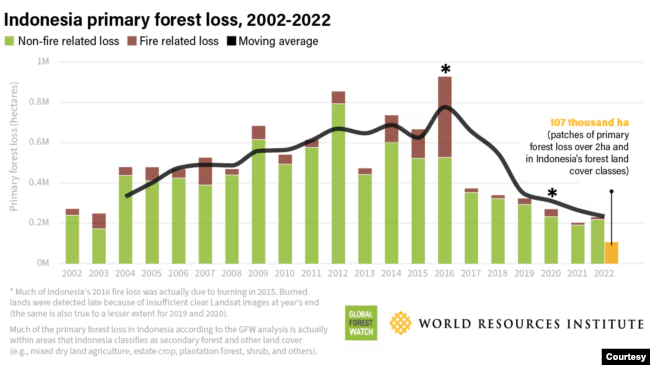
Indonesia’s primary forest loss significantly decreased after 2016
The study, “Exploring the Elephant in the Room: Do Oil Palm Boycotts Reduce Tropical Deforestation?”, reviews more than sixty academic publications alongside official statistics, satellite data and online trends for three high‑profile calls‑to‑action: ‘ban palm oil’, ‘boycott palm oil’ and ‘sustainable palm oil’, including the hashtags #Boycottpalmoil, #ProtectPongo and #SaveOrangutans. Its conclusion is clear: commodity boycotts have not significantly influenced Indonesia’s deforestation trajectory.
“Consumers deserve honest, science‑based guidance,” said Bart W van Assen, lead author, and advisor at Orangutan Land Trust. “This research confirms what many experts have been saying for years: boycotting palm oil is a blunt tool that does little to address deforestation, and can even shift demand to less‑efficient oils that need more land.”
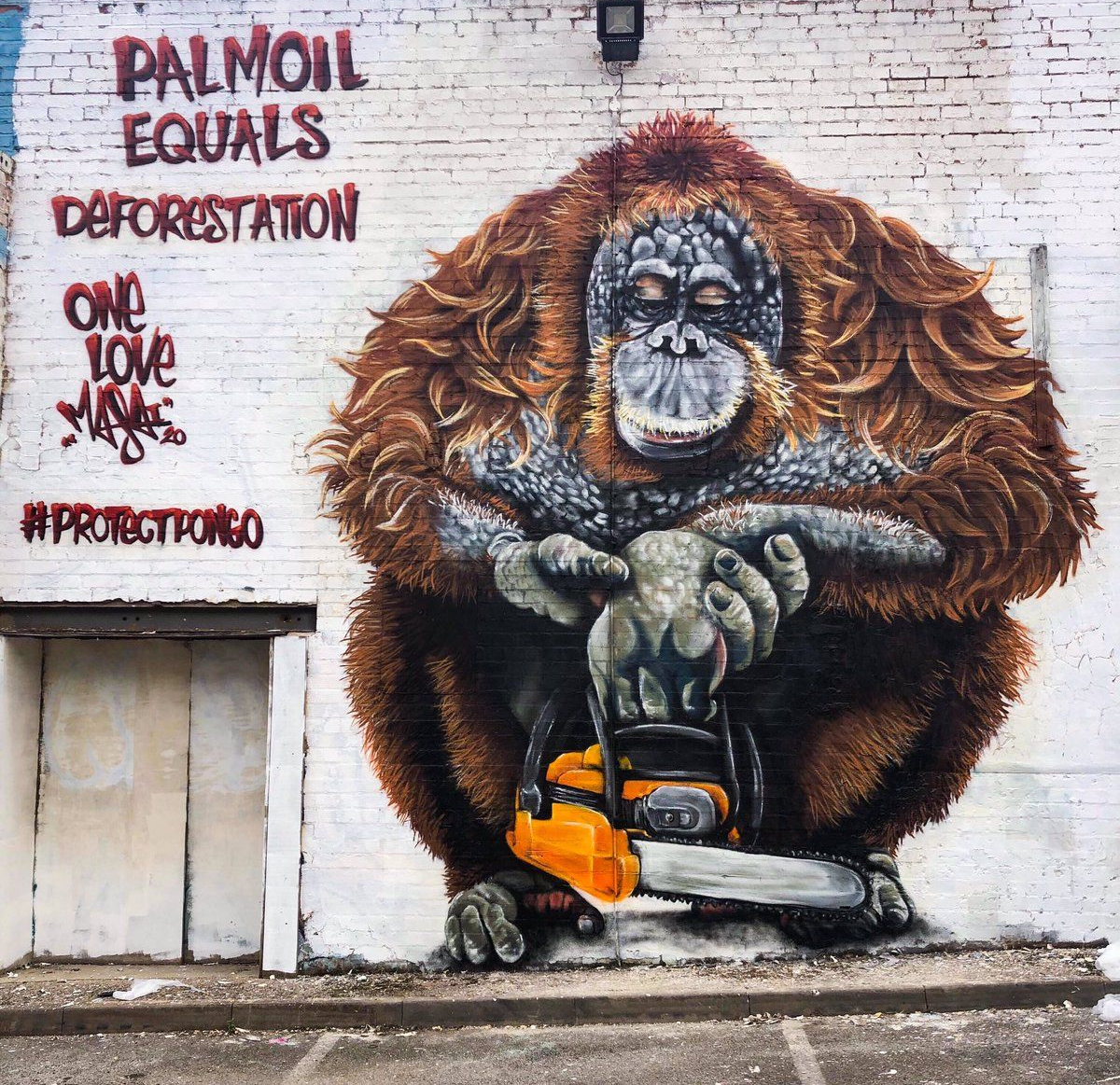
Meridian Foods claimed palm oil equals deforestation to promote its products
Between 2003 and 2016, Indonesia’s annual forest loss fluctuated between about one and two million hectares, driven by a combination of large‑scale and smallholder agriculture, logging, mining, fires and other land‑use changes. Since 2016, multiple independent datasets show a marked reduction in deforestation, bringing losses to historic lows, though some recent upticks in 2022–2023 highlight the need for continued vigilance. The study notes that these shifts align with tighter permitting, moratoria on new concessions and other governance measures, not social‑media boycott campaigns.
Key findings:
• No significant link between boycott campaigns and deforestation trends: Despite decades of activism targeting tropical timber, paper and pulp and palm oil, there is little evidence that boycotts have driven meaningful reductions in forest loss.
• Sustainability narratives resonate more than boycotts: Google Trends analysis shows that searches for ‘sustainable palm oil’ dwarfed those for ‘ban palm oil’ and ‘boycott palm oil’ on the Web by more than fifteen‑fold over the 2018–2023 period.
• Complex drivers require holistic solutions: Major causes of deforestation – from agricultural expansion and weak law enforcement to poverty and demographic pressure – cannot be solved by consumer purchasing decisions alone.
• Commodity boycsotts can backfire: Previous research cited in the paper warns that blanket boycotts often fail to support sustainable resource management and can inadvertently increase pressures on forests.
“For companies and policy‑makers, the implication is straightforward,” Bart continued. “The most effective way to reduce deforestation is to invest in strong standards, transparent supply chains and jurisdictional initiatives – not to walk away from palm oil.”

Our recommedations:
The Sustainable Palm Oil Choice urges brands, retailers and public authorities to:
• Prioritise certified sustainable palm oil that meets credible, independently verified standards.
• Support smallholders and producing countries in meeting these standards, rather than penalising them through blanket exclusions.
• Champion accurate communication about deforestation data, avoiding oversimplified maps or imagery that misclassify agricultural land as intact forest.
The Sustainable Palm Oil Choice welcomes the new study as an important evidence base for European and global debates on due diligence, deforestation‑free supply chains and responsible sourcing of vegetable oils.
The full paper can be read here: Van Assen 2026 Exploring The Elephant In The Room Do Oil Palm Boycotts Reduce Tropical Deforestation