
Restoration Is Possible in a Palm Landscape
Real sustainability is harder than any statement can capture. It depends on coordination—on actors with different priorities, mandates, and constraints choosing to align around a shared goal. That is difficult to achieve and easy to underestimate. It is also where the most credible environmental results come from: not from paper compliance, but from sustained work in a specific place.
The banks of the La Pasión River, in Sayaxché, Petén, are one of those places.
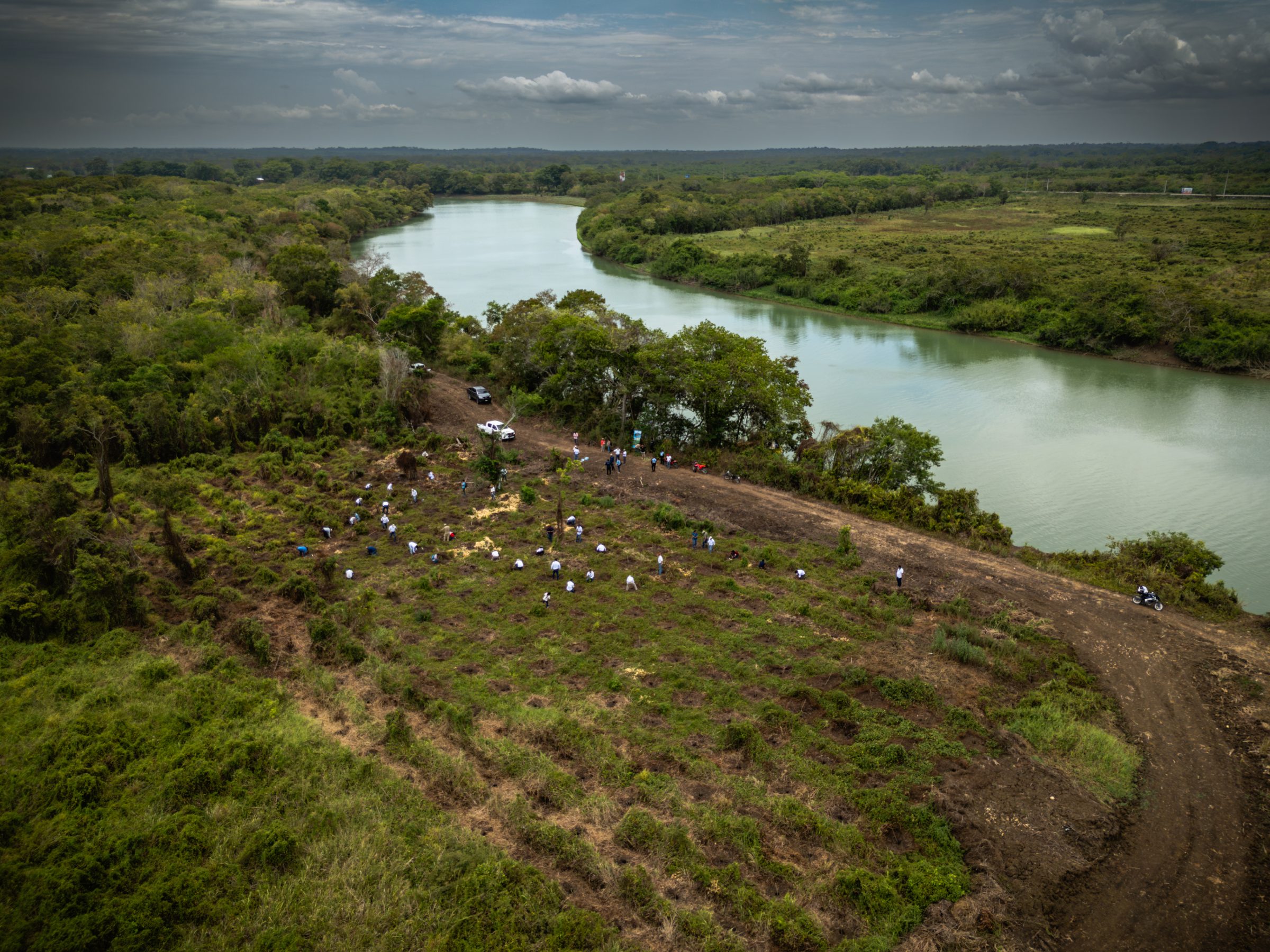
The La Pasión is one of Guatemala’s three largest watersheds: 354 kilometers long, with 65 communities that depend on it and margins that form part of the Mesoamerican Biological Corridor. Much of its riparian zones had been cleared for agricultural use. Today they are being restored through a model that proves something important—that responsible production and conservation can move forward together.
The first 70 hectares are already underway, part of a 210-hectare target. Funding comes from Olenex, through its Mariposa initiative; coordination comes from GREPALMA together with Grupo HAME–REPSA, which has been working in the watershed since 2020. But what holds the project together is not the funding: it is the La Pasión River Watershed Restoration Roundtable, a multi-stakeholder platform recognized by the Municipality of Sayaxché in 2024, which brings government institutions, the private sector, civil society, and international cooperation together around a shared goal. The National Council of Protected Areas (CONAP), the National Forest Institute (INAB), the Ministry of Agriculture, Livestock and Food (MAGA), the Ministry of Education (MINEDUC), The Nature Conservancy, the German Agency for International Cooperation (GIZ), the Food and Agriculture Organization of the United Nations (FAO), Heifer International, local associations, and the Apostolic Vicariate of Petén are all part of it.
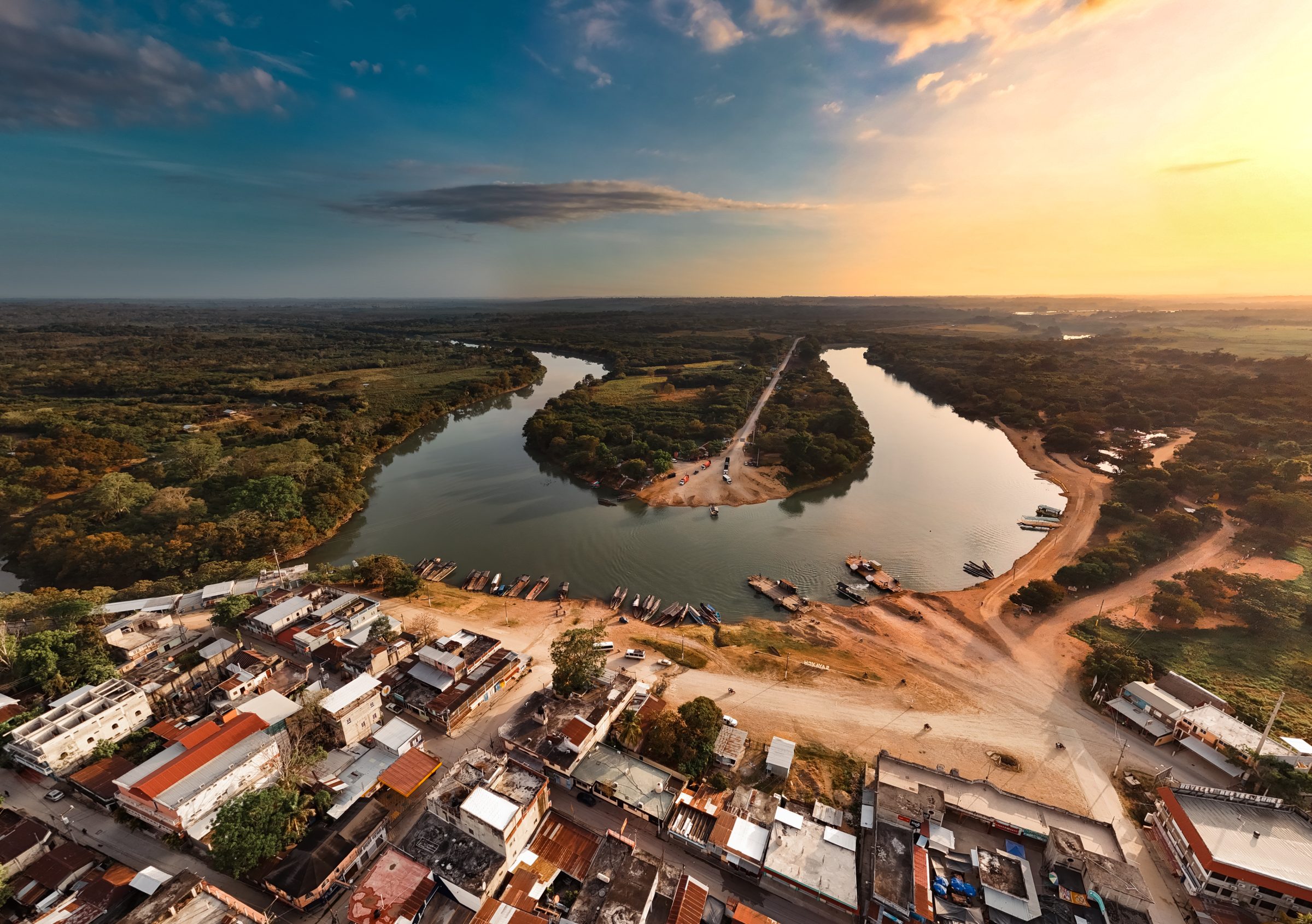
Reforestation was its first concrete step. Native species are grown in a forest nursery inside El Rosario National Park, authorized by CONAP and developed together with INAB. Progress is tracked under the national zero-deforestation system, with independent satellite verification.
“Forest landscape restoration only produces lasting impact when it is built collectively. Restoring the banks of the La Pasión River is a strategic investment that strengthens water security, protects biodiversity, and builds resilience against climate change.” — Javier de Paz, Head of the Forest Restoration Department, INAB.
What draws such different actors together is not coincidence. It is the river itself: a source of life, a biological corridor, a cultural landscape dotted with Mayan archaeological sites. Institutions that rarely sit at the same table found common ground here. The aspiration is for the Roundtable to be formally institutionalized—the step that would make the model replicable in other watersheds across the region. What sustains an environmental outcome is its roots in the territory: the people willing to build a shared future, the agreements they uphold, and the place they bring back.
Project description: La Pasión River
Images: José Fares – GREPALMA